



ENGIE Powers AI: A Texas-Sized Strategy for Data Centers
ENGIE North America is scaling renewable energy to meet surging demand from AI, cloud, and digital infrastructure. CFO Audrey Robat highlights the company’s strategy: clean energy parks, 24/7 decarbonized supply, and resilient infrastructure. With renewable projects from Texas solar and wind farms, ENGIE positions itself as a key partner for hyperscalers, driving the US energy transition with impact and purpose.
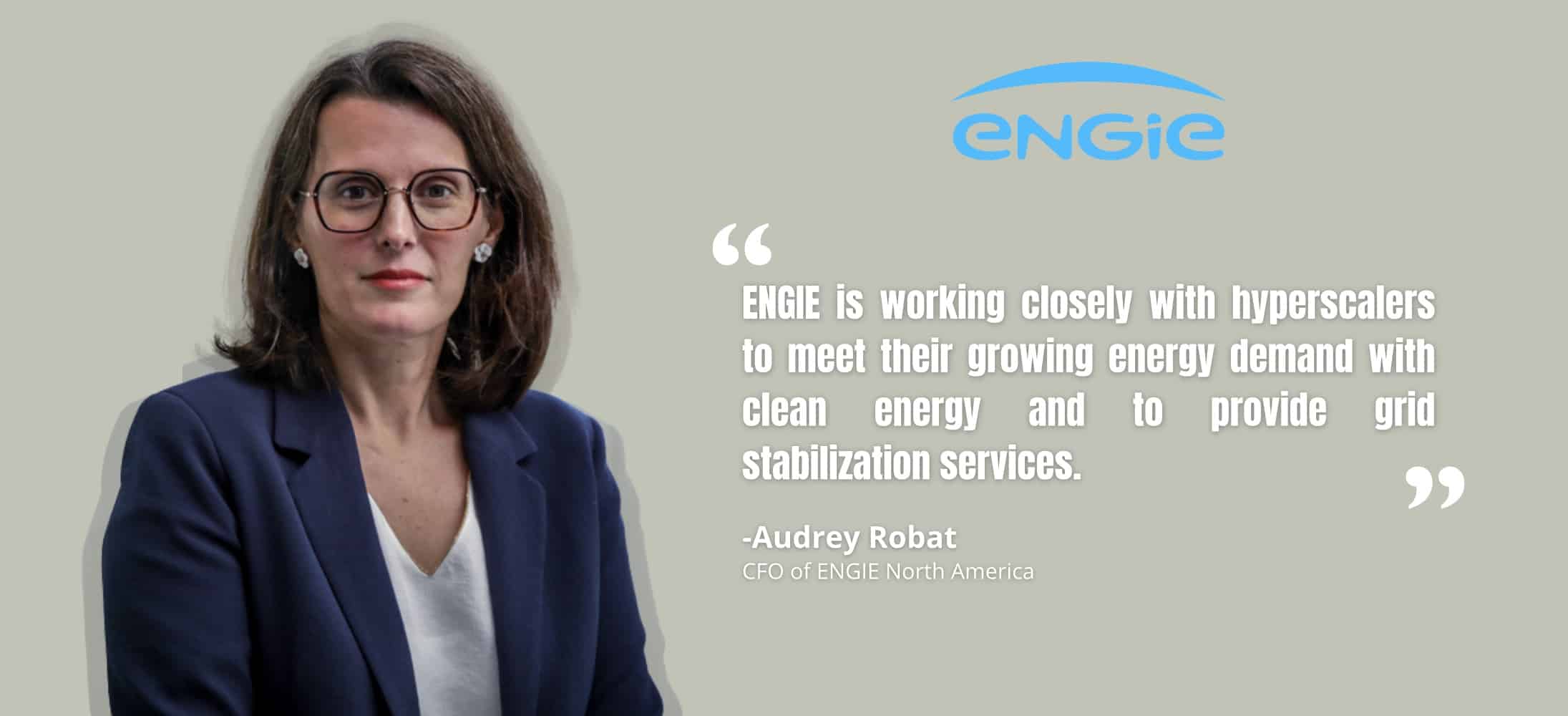
Q: You are CFO of ENGIE North America. Could you tell us more about your professional background and how your career path has shaped your strategic vision in today’s fast-evolving energy landscape?
A: I’ve been with ENGIE for nearly 20 years, working in finance roles like investor relations, controlling, corporate funding, investments, strategy, and as chief of staff to our Chairman. Currently, I’m the CFO in North America.
The energy landscape has evolved significantly, and ENGIE has helped lead the transition to green energy and infrastructure. My career offered various perspectives on our operations, customers, suppliers, stakeholders, and teams, aiding the transformation of our business in the US.
Q: What is ENGIE’s mission in the United States? What are your core activities, and who are you?
A: We collaborated with commercial, industrial and institutional customers to design, deploy and operate competitive, sustainable energy solutions to support their decarbonization journey.
We manage the entire lifecycle of clean energy projects from development to financing, procurement, construction, and operations. We currently have 12 GW of wind, solar, and battery storage plants in North America (o/w ~6 GW in Texas) in operation or construction.
Our key clients include major companies like Google, Meta and Microsoft, seeking additional energy for data centers, as well as partnerships with local utilities in regulated markets.
Q: What is ENGIE’s strategy for supporting the energy transition, particularly in high-demand sectors such as data centers?
A: We have developed strategic relationships with those customers, notably in the US, but also in Europe since the beginning of the decade. We have already been providing renewable energy for several data centers in Texas for instance.
We are committed to pursuing innovative solutions that maximize the value of renewable generation and improving cost effectiveness of delivering clean energy supply to our customers. For data center developers, our capacity to commission sizable capacities on time is of the essence.
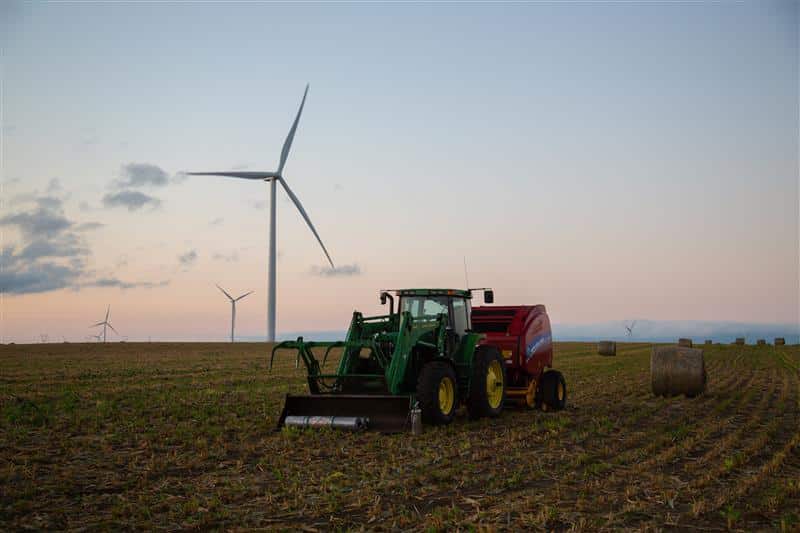
More recently, we have been actively engaged with multiple data center developers to co-develop energy parks and provide clean power supply to support compute growth. By siting data centers with our energy assets, ENGIE and our customers accelerate clean energy growth, provide grid stabilization services through multi generation and storage asset and load sites, and most importantly relieve transmission infrastructure costs and constraints by strategically energizing compute in high renewable locations.
Q: ENGIE recently announced a collaboration with Cipher Mining to power Texas data center. Could you tell us more about these alliances and their strategic importance?
A: In mid-May, we signed a preliminary arrangement with Cipher to acquire up to 300MW of renewable energy from one of our wind energy facilities.
It aims to harness the renewable energy produced by the wind project to supply power to the adjacent data center. This initiative is expected to ease congestion in an alreadyoverloaded transmission area, tackling issues related to basis risk and energy curtailment.
By connecting the data center with renewable energy sources, the collaboration seeks to make use of surplus energy during times of excess generation.
This strategic approach is aimed at improving grid stability and reliability in regions such as west Texas, which is recognized for its plentiful wind and solar energy resources.
Q: What are the specific energy needs of data center operators today, and how is ENGIE tailoring its solutions to meet those growing demands?
A: By 2030, 30GW of data center capacity will be added to the market, compared to today’s approximately 50 GW of data center capacity across hyperscale operators, co-locators, and telecommunication companies. Growth is driven by AI as well as continued expansion of the cloud services market.
The data center industry is facing major challenges related to:
- Fast access to power / time to market
- Local acceptancy / permitting timing
- Huge capital deployment required to support data center and AI growth
To address the energy requirements and navigate these challenges, technology players are forming strategic alliances with energy suppliers and infrastructure funds.
These collaborations focus on securing tailored energy solutions, ensuring reliable power supply while enhancing sustainability.
ENGIE is at the forefront of developing innovative energy offerings that provide hourly matched renewable energy through Power Purchase Agreements (PPAs) and off-grid options.
Q: How does ENGIE align with the sustainability goals of major clients such as Meta and Microsoft, particularly when it comes to carbon neutrality and 24/7 renewable-energy supply?
ENGIE can help data center developers grow sustainably, through:
- Accelerating “Time to Power” while addressing grid constraints and transmission congestion
- Ensuring high utility availability amid renewable integration and securing long- term project funding
- Balancing third-party engagement with reliable offtake agreements and sustainability goals
As a vertically integrated utility, ENGIE is positioned to serve technology customers across the value chain:
- Leading renewable and battery storage developer to both provide clean energy solutions on site and load stabilizing and voltage control mechanisms using batteries to firm load the AI compute fluctuations and flatten the demand on the utility grid.
- Leading risk management solutions which shape intermittent renewables, provide hedging liquidity to energy parks to reduce energy costs to consumers, and provide excess power supply to the grid during peak demand periods. We can create custom all-in price solutions to give data centers price certainty for their compute at the level of carbon free energy to fit their sustainability needs.
Q: What are the main regulatory, policy, and economic uncertainties currently facing ENGIE in the U.S., and how do they influence your investment and project-development strategies?
A: ENGIE has a rich, global heritage of 170 years with current operations in 30 countries – including the U.S. for nearly half a century. We remain committed to our ambition of 95 GW of renewables globally by 2030, and the U.S. playing a key role with its current 12 GW of renewable energy and storage in operation or construction.
While the economic and environmental value of clean energy projects span decades of operations and transcend political shifts, the initial investment decision and long-term success of each project takes methodical planning and time, and requires the right economic and political landscape.
The industry has recently been facing material changes affecting clean energy credits and tariffs applicable to its supply chain which triggered some delay in investment decision for wind, solar and battery projects.
Permitting for electric infrastructure remains challenging – particularly large electric transmission lines that move our product to market – and the backlog of requests renewable developers face to get permission to connect to the grid are a significant issue. It can take 10 years or longer to permit and build new transmission lines. The need for this infrastructure is being quickly outpaced by the demand for electricity.
Reforms to speed up the review and approval of expansion of our national electric grid is a critical issue.
Based on this landscape in the U.S., ENGIE experienced few months delay in some investment decision for new projects while continuing to monitor the environment and work on risk-sharing with our customers and suppliers. In the meantime, we remain of course committed to our ongoing operations and customer-focused solutions in the U.S.
Q: Finally, what are ENGIE North America’s key priorities for the coming years in terms of sustainable growth?
A: ENGIE has been based in Houston for more than 40 years. We initially developed our renewable portfolio very much in Texas which has also been offering huge opportunities for wind, solar and battery storage development. But we are today diversifying our development pipeline to other States : California, Kentucky, Iowa, Indiana … where we observe some significant load growth happening.
On the downstream side of our portfolio, energy supply and management activities will allow our customers to benefit from the unmatched potential of our expertise in energy markets, and offer them decarbonized electricity 24/7 in the coming years. Hence, ENGIE aims a significant portion of its PPA sales in a 24/7 offer by 2030.