



The Athlete-Investor: Thierry Daupin on Risk, Resilience, and Sport-Tech
From the rugby field to the forefront of sport-tech investing, Thierry Daupin embodies the fusion of discipline, resilience, and strategic vision. After a career shaped by high-performance sports and international leadership roles, he now supports and scales sport-focused companies on both sides of the Atlantic. In this interview, he shares how athletic values guide his investment philosophy, why the U.S. remains the ultimate growth market, and what trends are shaping the future of sports innovation.
Q: You started out as a professional rugby player before moving into the world of investing, can you walk us through your journey and what drove that transition?
A: I actually ended my rugby career just before reaching the professional level due to a serious shoulder injury. That experience taught me early on not to put all your eggs in one basket. Fortunately, I was able to continue my education while pursuing a semi-professional career in windsurfing, which opened the door to the action sports industry. I became an international team manager, then later a sports marketing manager for Oxbow, a well-known French brand. That role brought me to the U.S., specifically Hawaii, in 2009. It also reconnected me with rugby and ultimately inspired the idea of contributing to the development of a professional rugby league in the U.S and the creation of Major League Rugby.

Q: How has your high-level sports experience influenced the way you manage risk, discipline, or teamwork in your investments?
A: Sports like windsurfing and surfing in big waves—or playing rugby, where everything moves quickly and unpredictably—taught me to assess risk in real time and adapt constantly. You don’t control all the variables, but you must stay focused and reactive. The same applies in investing. What looked like a good opportunity a year ago can change dramatically due to external factors, such as market shifts or political uncertainty. You must stay agile, grounded, and ready to reassess.
Q: How would you describe your overall investment strategy? Are you more opportunistic, or do you follow a structured, long-term plan?
A: We follow a structured approach, but we remain flexible to seize strategic opportunities. First, there must be a strong connection to sports. Second, the opportunity must be complementary to our existing portfolio. And finally, the people and companies we work with must embody our core values: alignment, transparency, and excellence. If those elements are present, then we can engage meaningfully.
Q: What key qualities do you look for in a company before investing?
A: In addition to the core values mentioned above, we often focus on French or European companies that have the potential to scale in the U.S. market. Our transatlantic expertise allows us to help bridge the cultural and operational gap. We’re not just capital providers—we aim to be value-creating partners who help shape sustainable growth strategies.
Q: Which financial or non-financial indicators matter most to you?
A: Beyond traditional financial KPIs like revenue growth, margins, and cash flow, we place significant importance on the strength of the team, the clarity of the mission, and customer engagement metrics. We look for companies that not only solve a clear problem but are also building a community or movement around their product or service. Founder resilience, product-market fit, and early signs of brand love are often better indicators of long-term value than financial performance alone.
Q: Could you share a few examples of sports-related startups you’ve invested in and explain what attracted you to each?
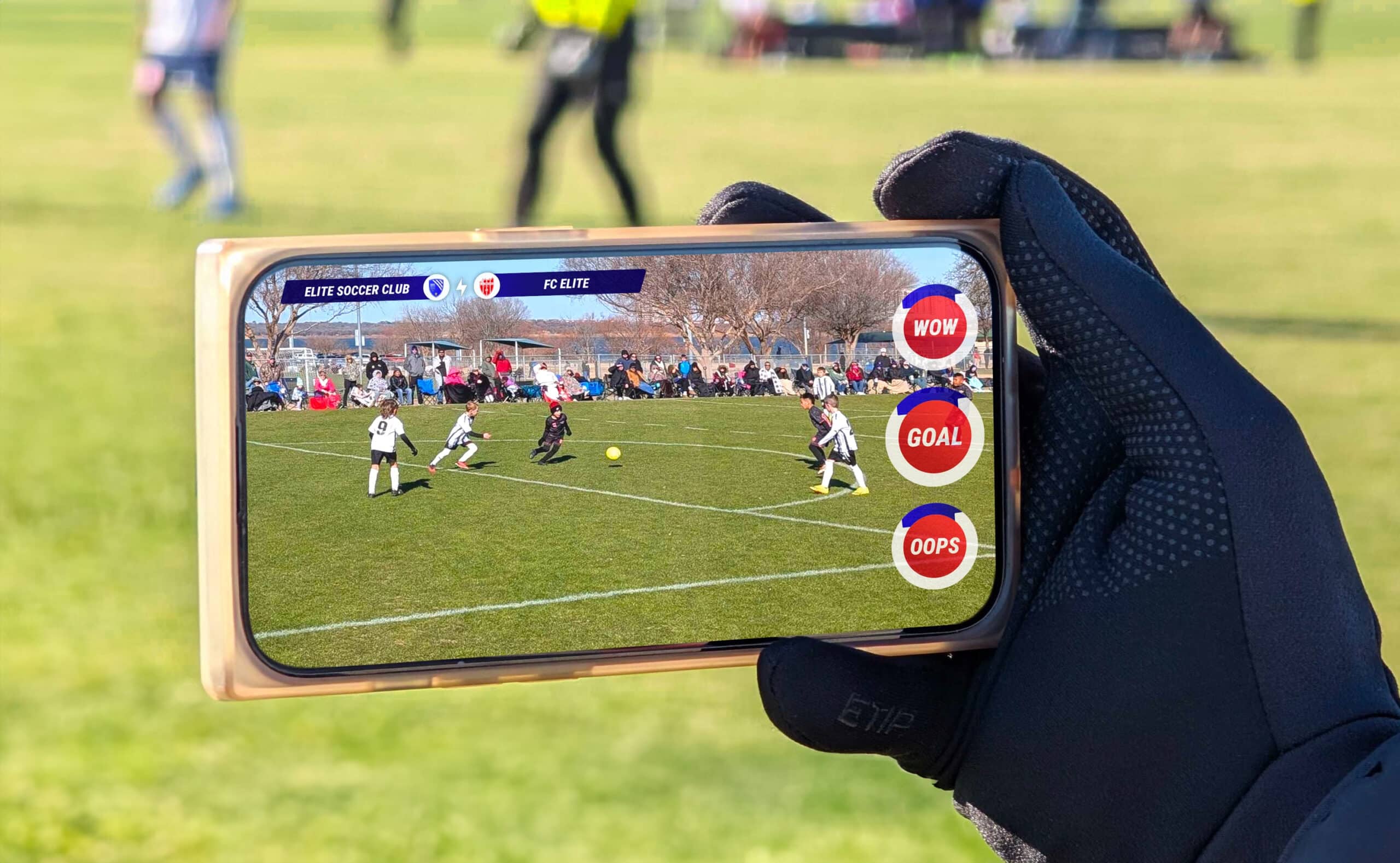
A: One example is Rematch, a platform capturing and distributing amateur sports highlights. The U.S. amateur sports market is enormous, and parents are willing to go to great lengths to give their children an edge. There’s also a major gap in visibility for niche sports—and Rematch offers a scalable solution to fill that void. We also invested in ScorePlay, a media and asset management platform purpose- built for sports organizations. What attracted us was the product’s efficiency and automation—it helps teams centralize and share visual content instantly with players, fans, and media. In a digital-first world, platforms like ScorePlay give clubs a competitive edge in content, branding, and fan engagement.
Q: What is your vision for the future of Sportech? Which emerging trends or technologies do you believe will shape sports-related investments in the coming years?
A: Sportech is entering a golden age. From wearable tech to AI-powered scouting, from fan engagement tools to performance analytics, the space is ripe for innovation. We’re also seeing increased interest from corporate funds. Sports aren’t like fashion —they continue to grow steadily over time. Today’s younger generations identify with athletes more than ever before, and as people live longer, healthier lives, they consume sports at all ages. This creates a sustained and evolving demand for sports-related experiences, services, and technology.
Q: In your view, what are the advantages of investing in the United States compared to Europe?
A: The U.S. is the number one sports market in the world. If you succeed here, you build credibility and momentum that can translate globally. It’s also the most dynamic market in terms of valuations, particularly for more mature companies where significant upside can still be found. The U.S. ecosystem offers deep capital pools, innovation hubs, and a culture that rewards bold entrepreneurship and speed of execution.
Q: Conversely, what challenges or downsides have you encountered as a French investor in the U.S. market?
A: We’ve built a team with more than 50 years of combined experience in the U.S. market, and we consider ourselves more American than French when it comes to business culture. However, we retain a deep understanding of French psychology and values, which allows us to act as a cultural bridge. That said, the regulatory landscape, speed of execution, and competitiveness in the U.S. can be overwhelming for new entrants without local guidance.
Q: What practical advice would you give to entrepreneurs, who are looking to raise financing in the U.S.? What can they do to attract investors and make a real difference?
A: First, understand that the U.S. is not France. For example, Texas alone is over 10% larger than all of France. Don’t try to tackle the U.S. market all at once—you’ll burn your resources. Focus on a specific region first. Second, remember that opportunity is not limited to New York, Miami, or Los Angeles. There are many vibrant, business- friendly ecosystems across the country. And finally, don’t cut corners when it comes to building your team. Hiring the right people—even if it costs more upfront—will save you time, money, and stress in the long run.
